Research Archives · Series II
Generations of Damascus
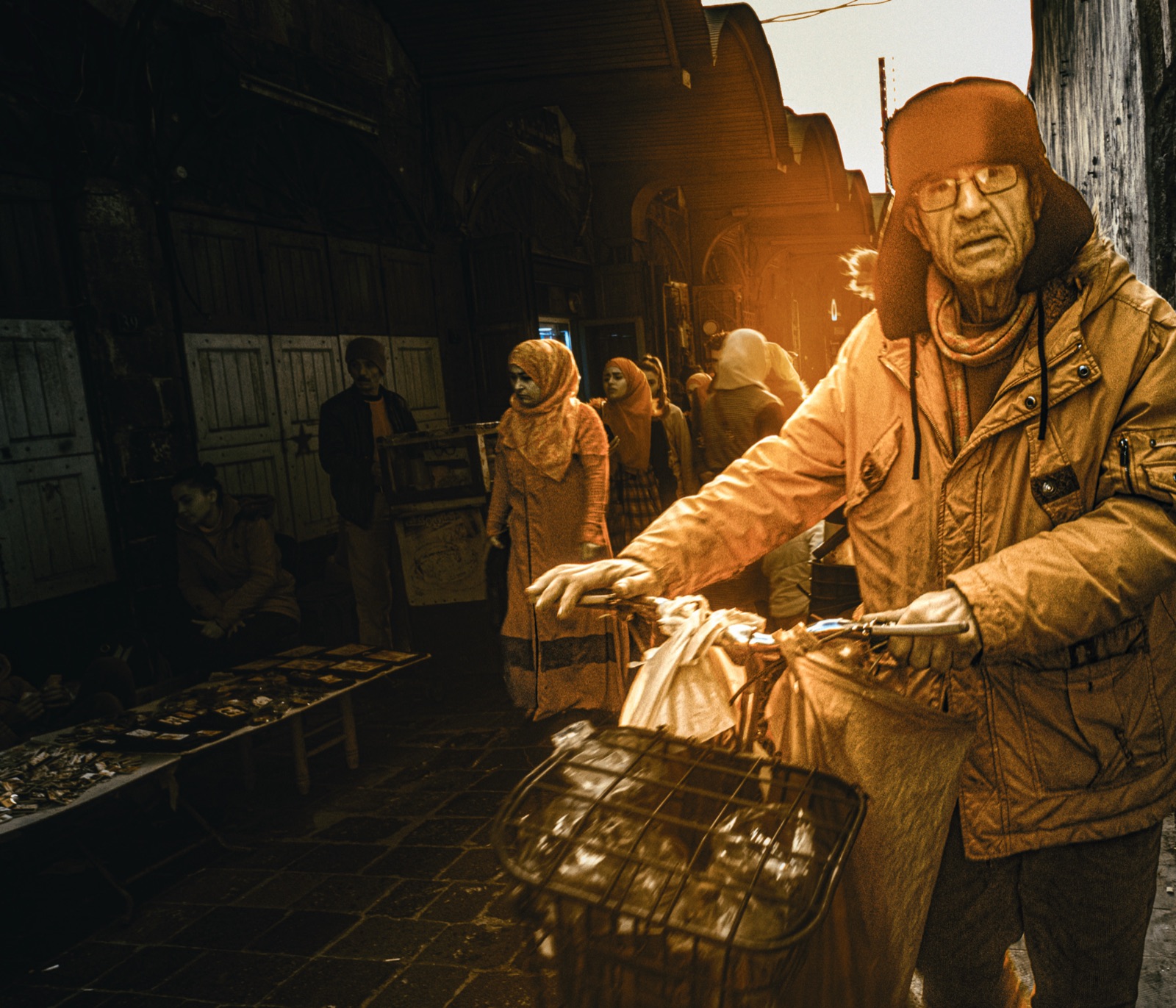
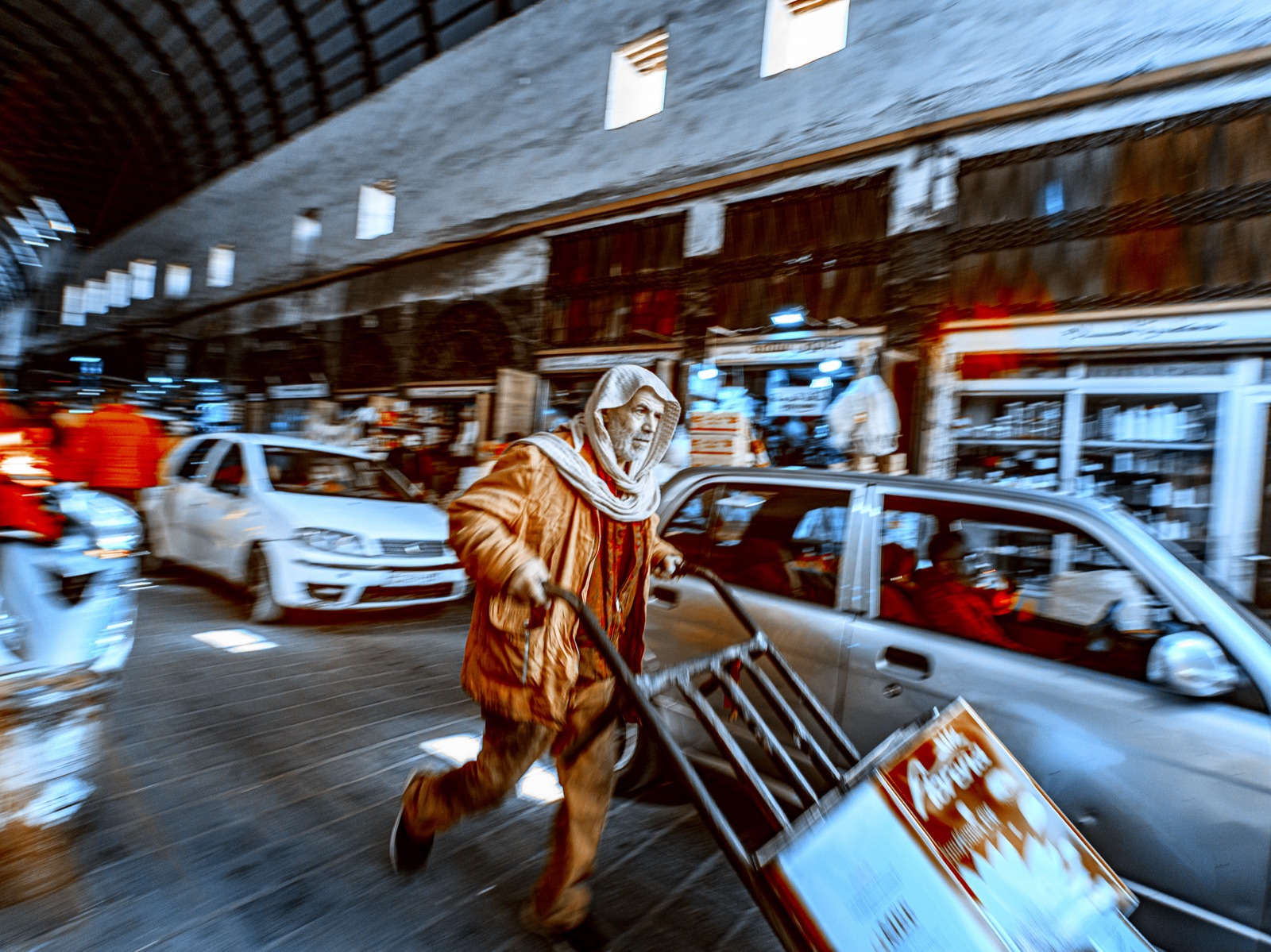
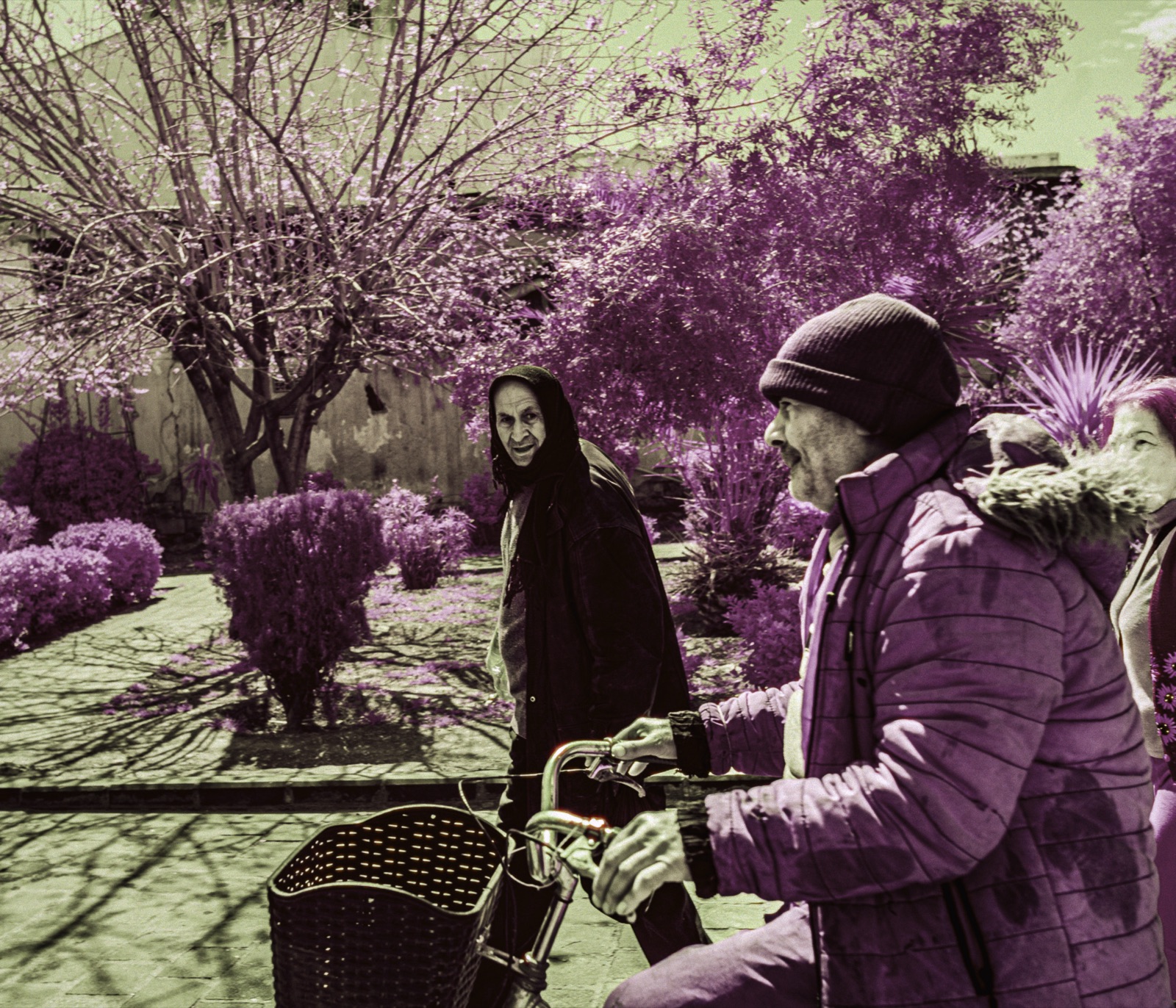
Damascus in infrared, 2023 — childhood, working age and old age, three passes through the same streets.
The week Sebastião Salgado died, I thought about why I went to Syria at all. His humanism is part of why I started documentary photography — why I drove to Beirut and Damascus to photograph people in the streets and in the ruins of Bosra. To photograph human beings with that kind of expressiveness is the work of a lifetime; maybe one day I’ll manage it.
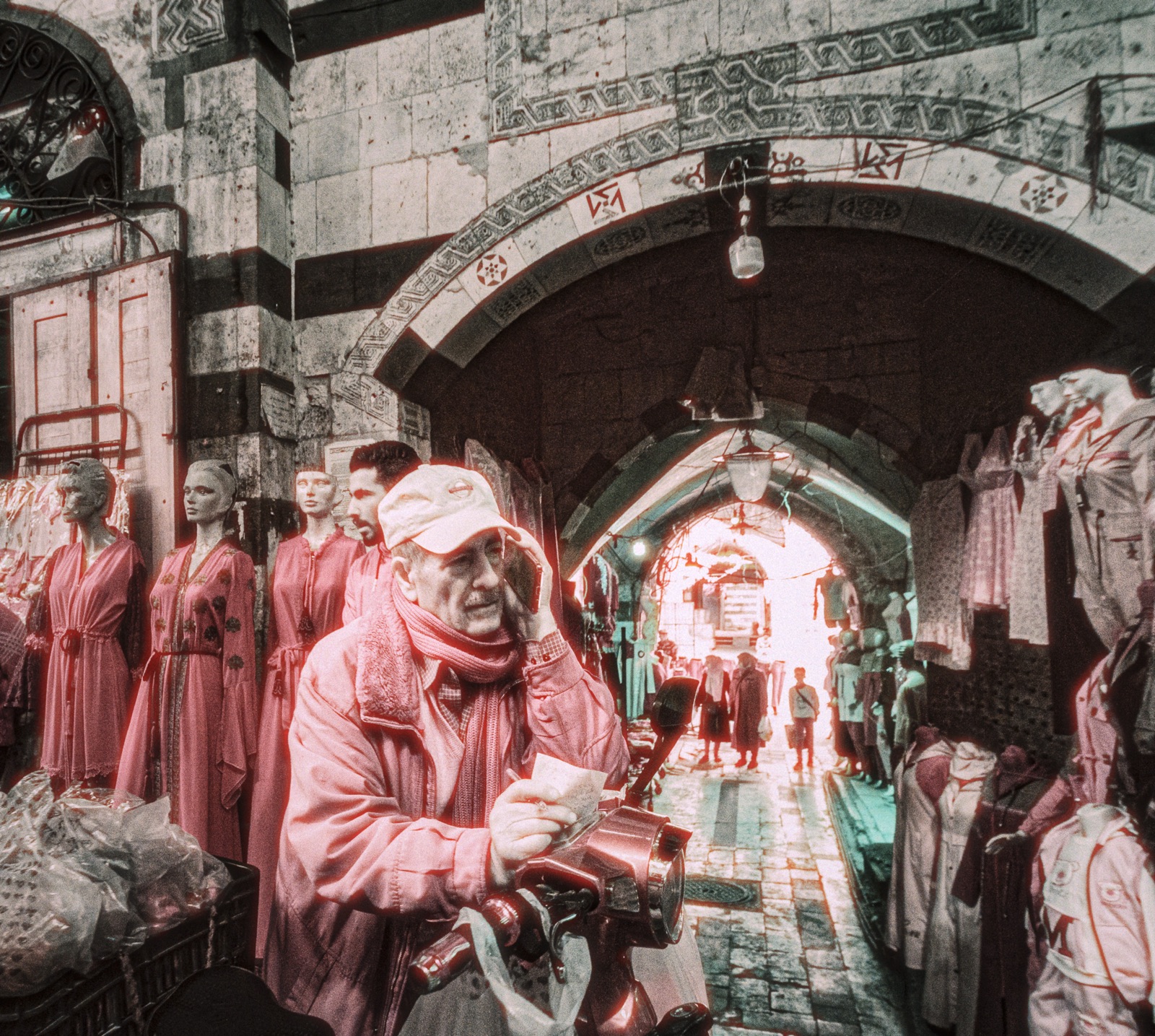
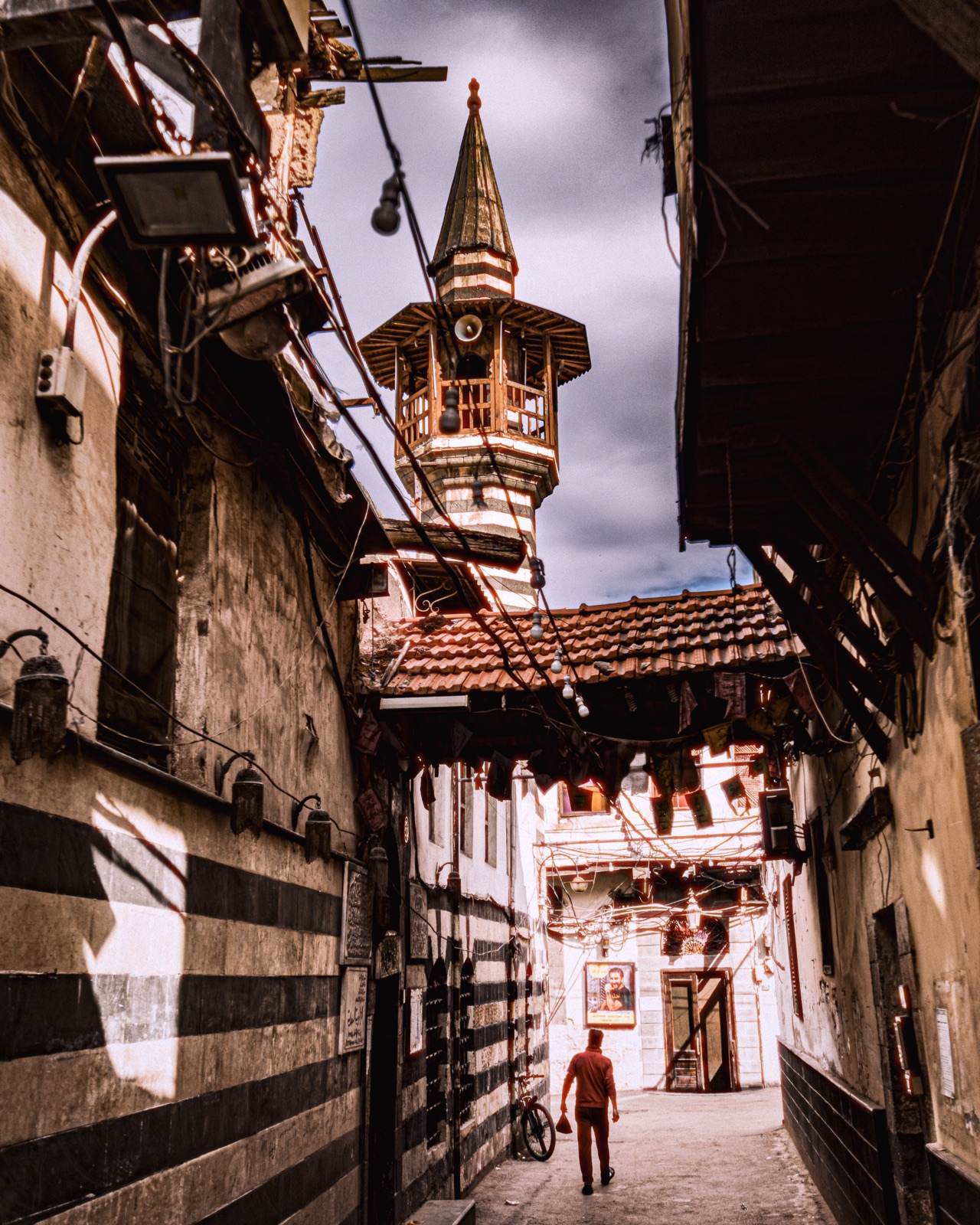
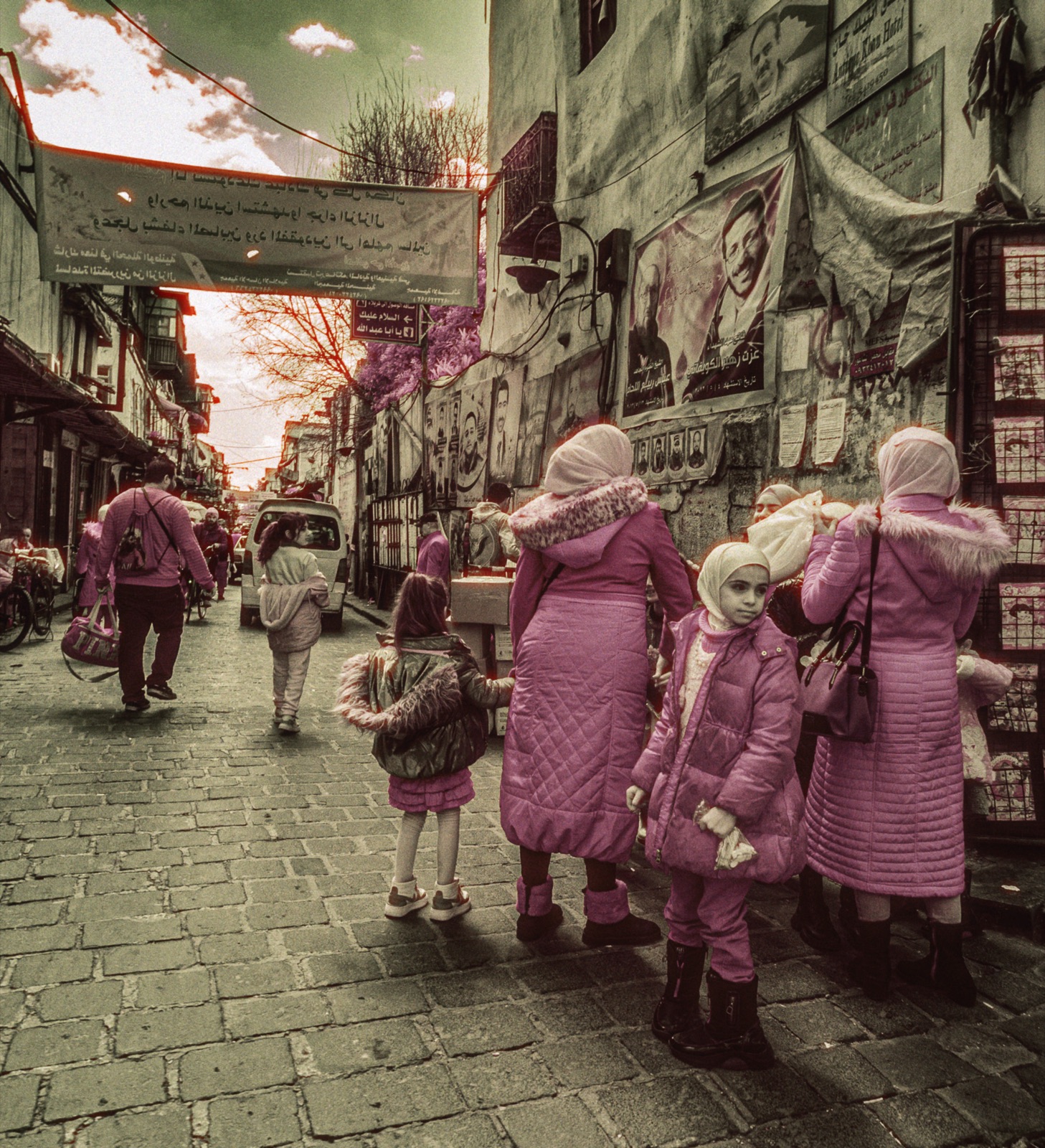
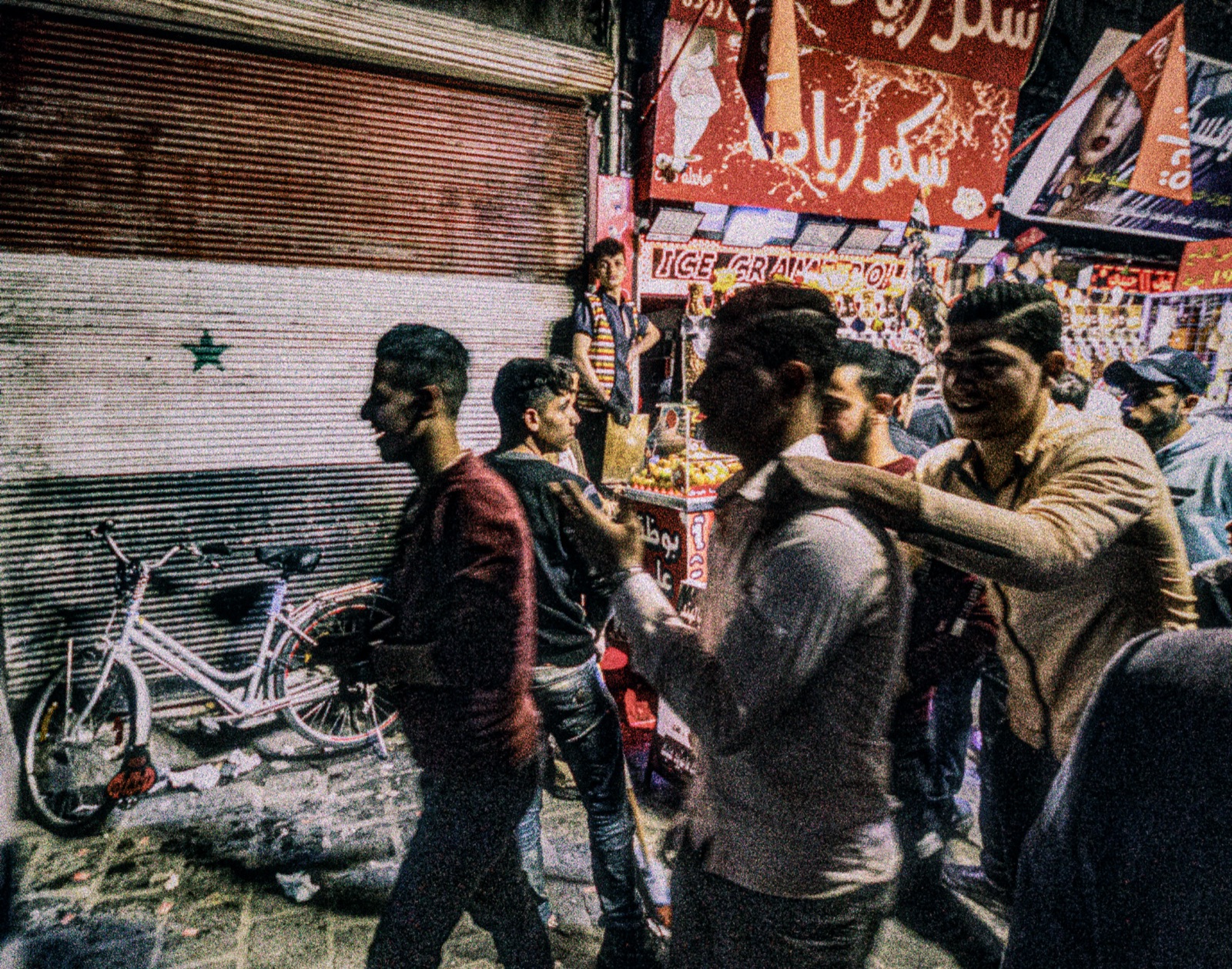
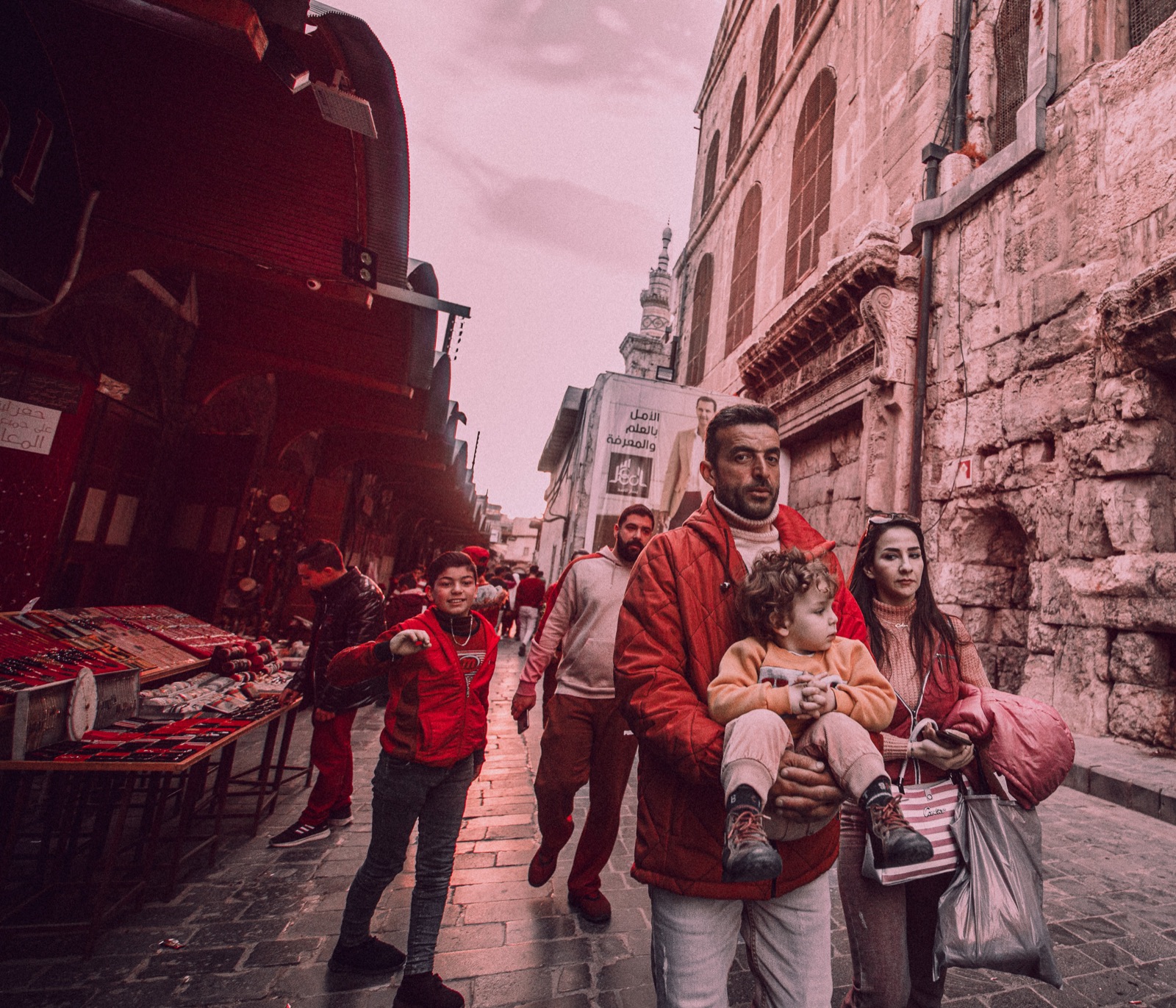
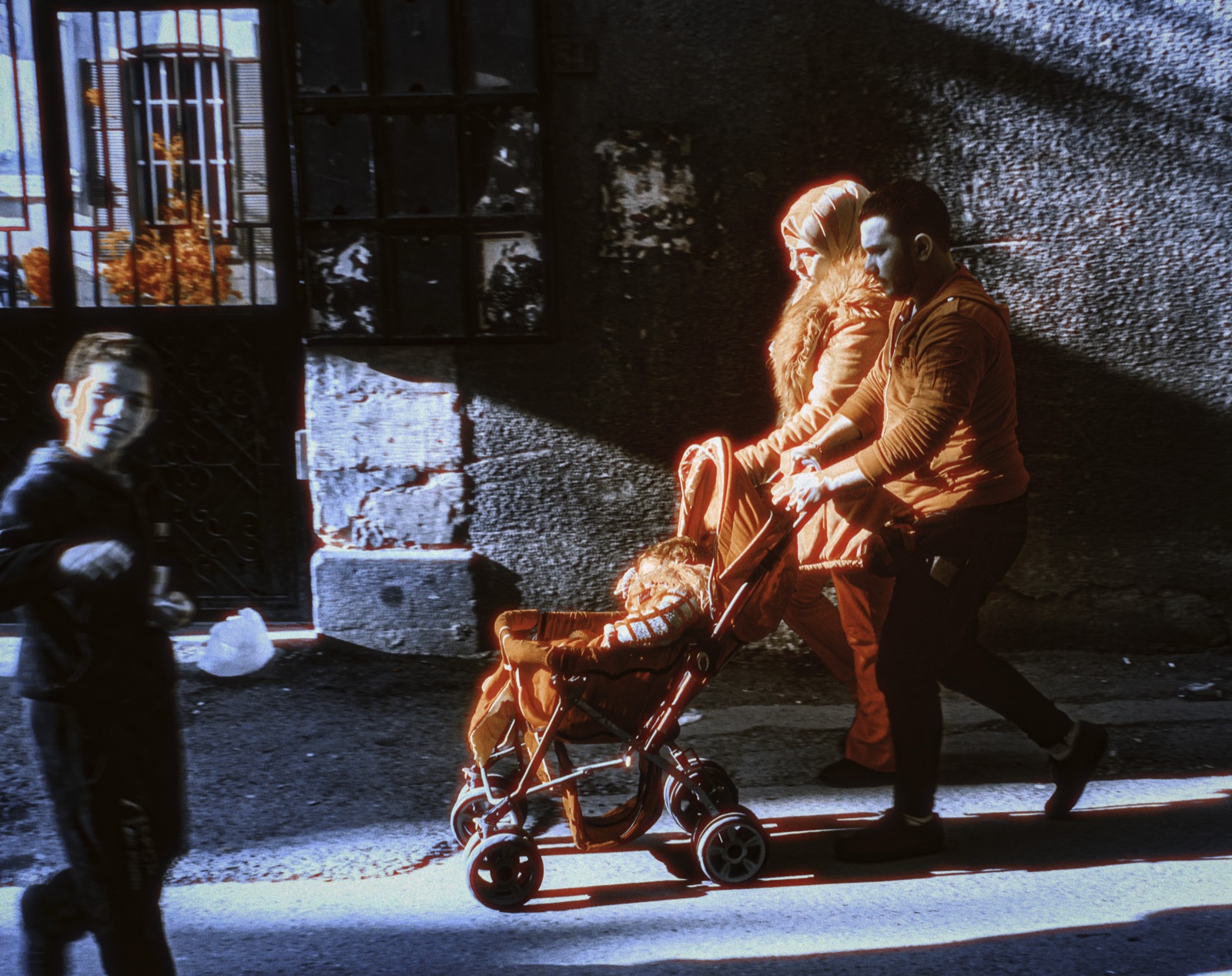
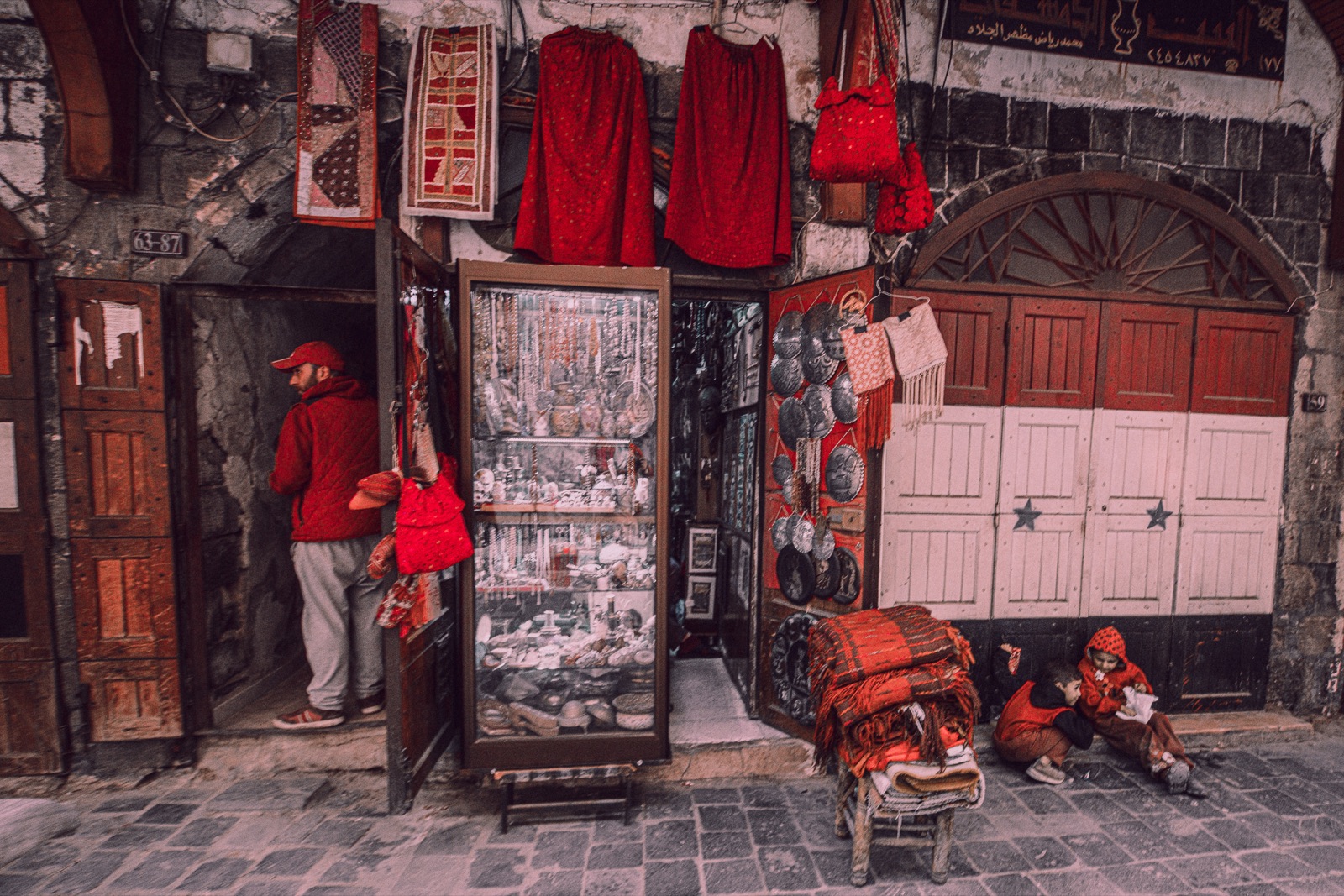
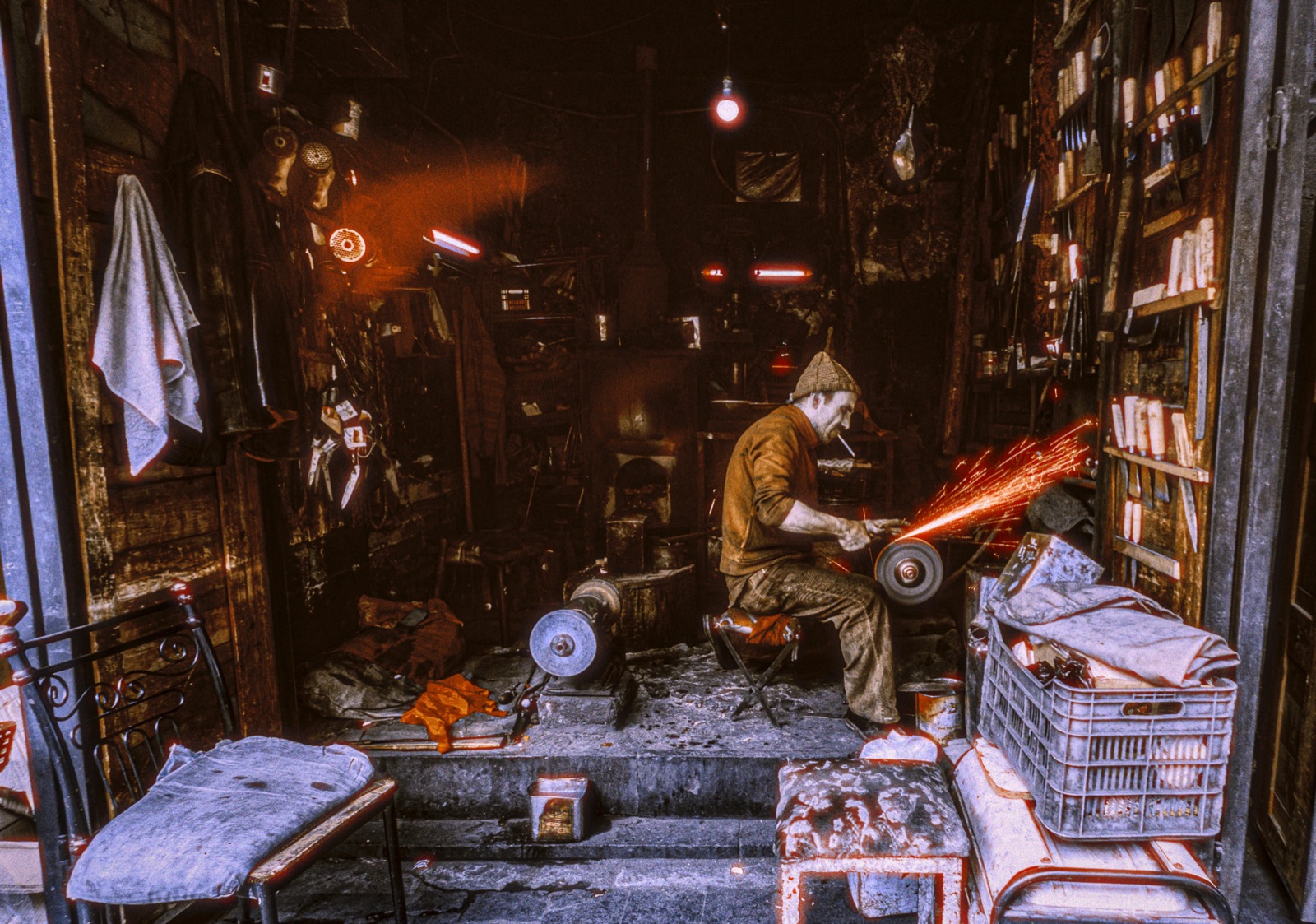
Damascus shows two faces at once — one marked by war, one that seems untouched. In the old city, families move beneath the official portraits on their way to market; a knife grinder works under a rain of sparks, a livelihood kept alive now that the tourists are gone; children play in doorways the size of a cupboard. In Harat al-Yahud, the Jewish quarter — a community present here since New Testament times — the houses stand empty, lately reassigned to Syrians left without homes by the war. And in the covered bazaar, on the last day, you stand in the crowd, dodging the people walking into you, trying to catch the decisive moment one more time.
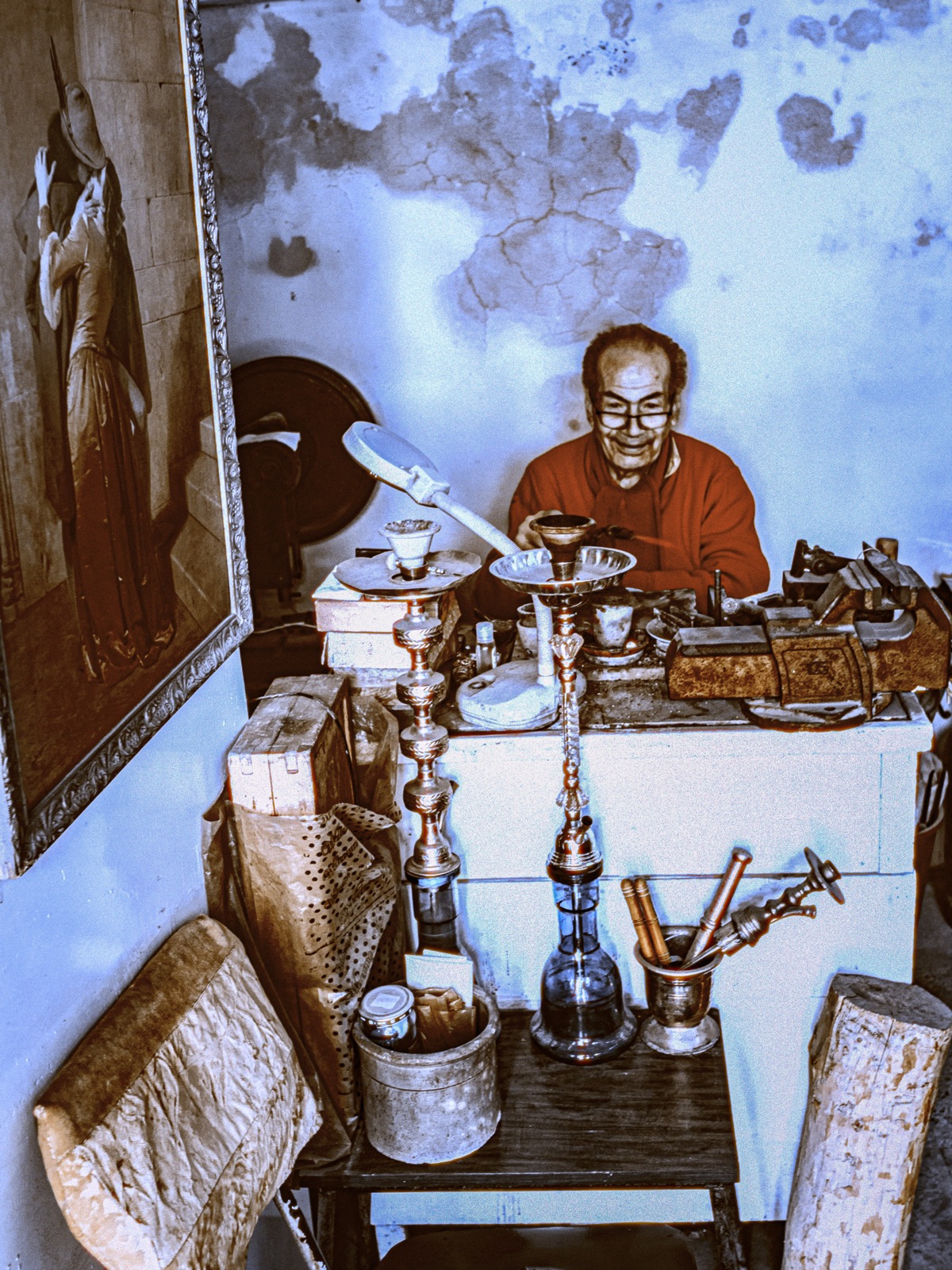
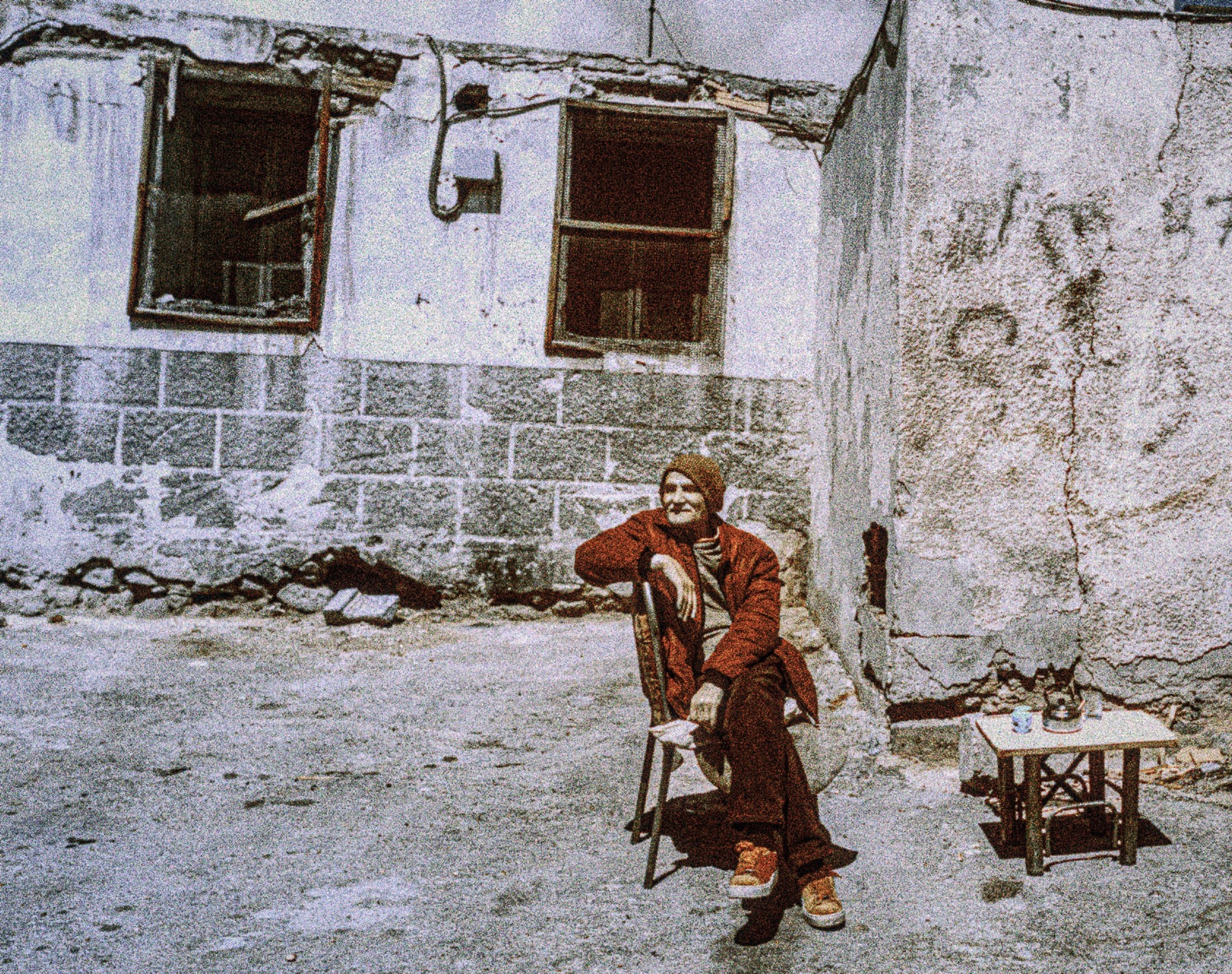
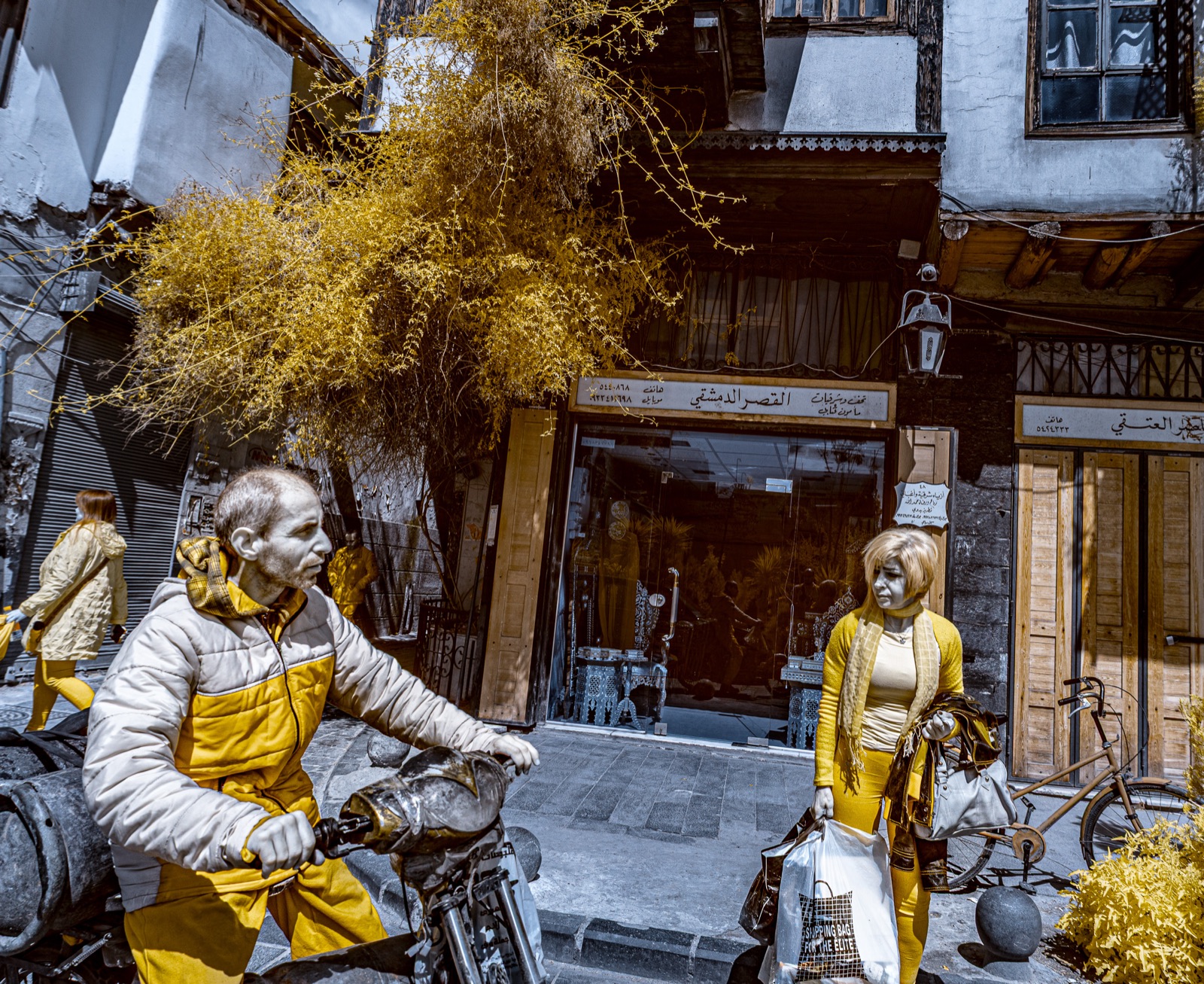
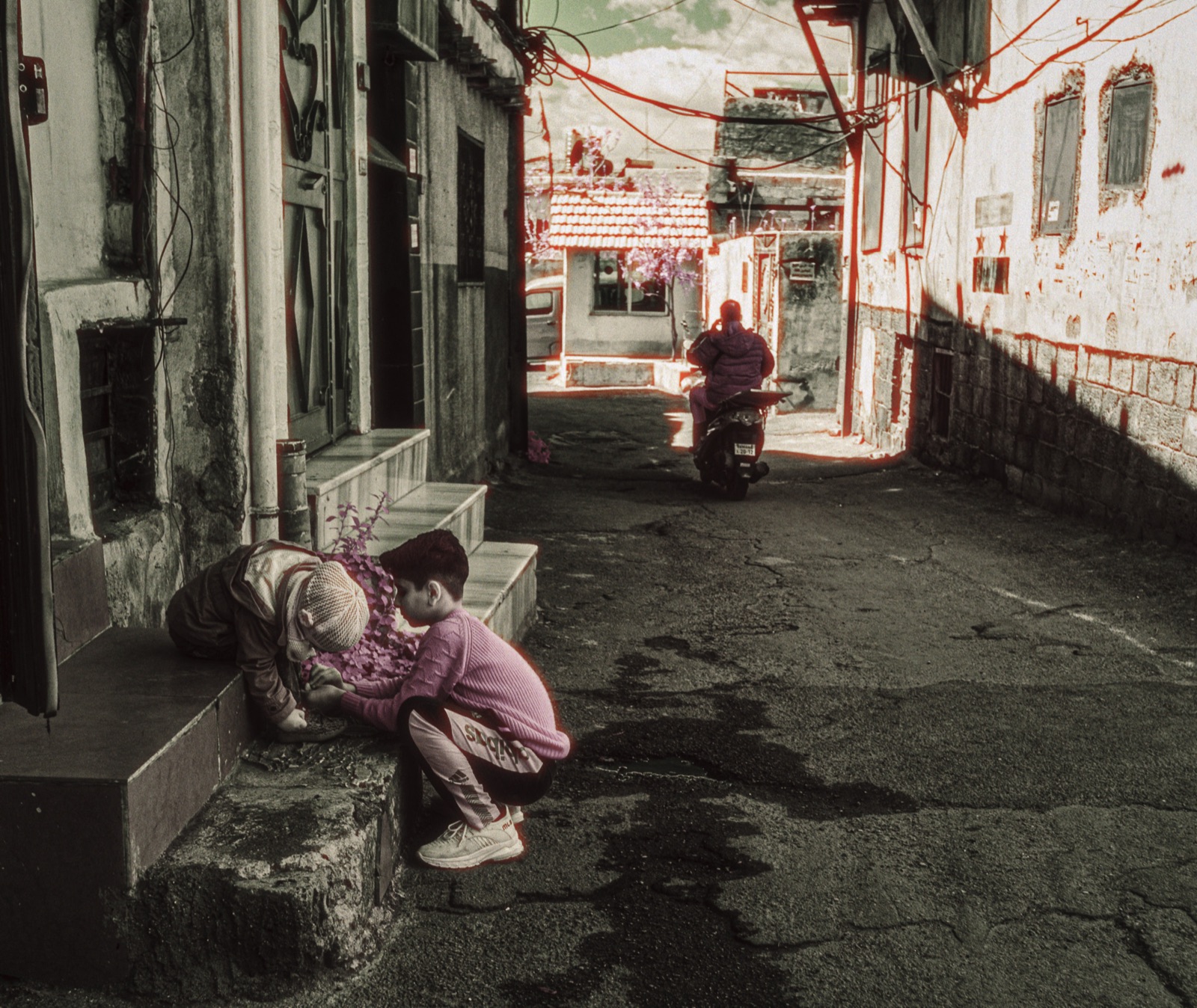
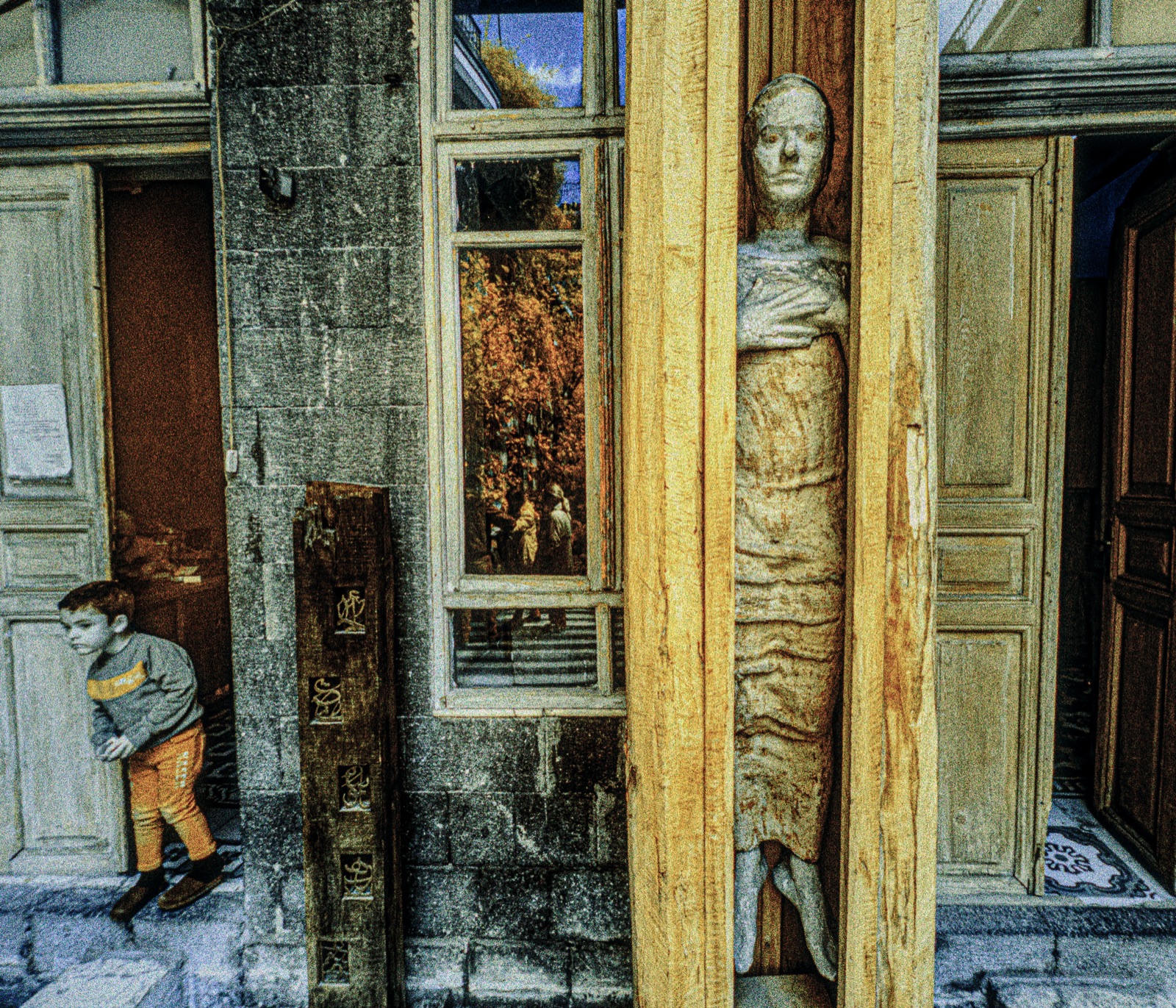
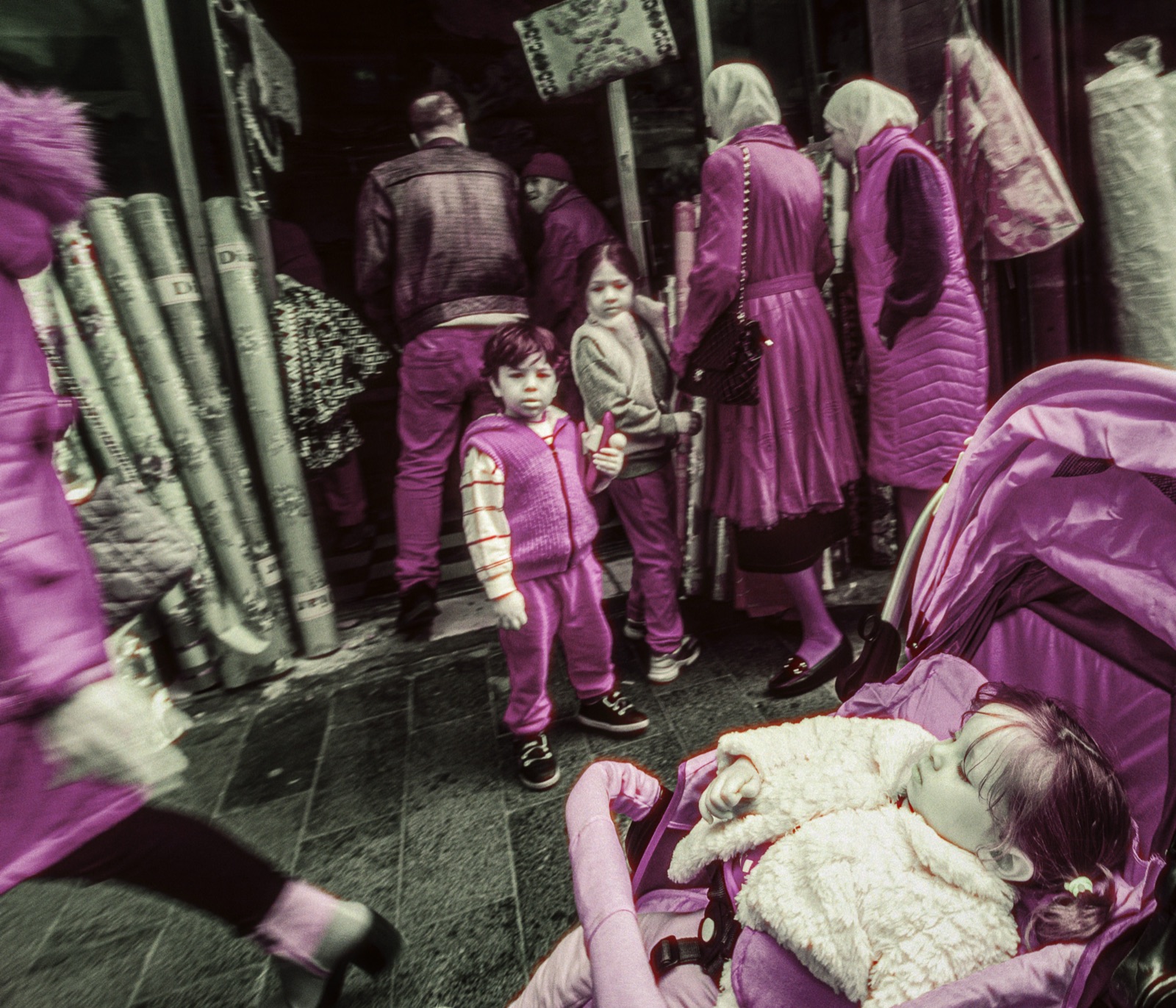
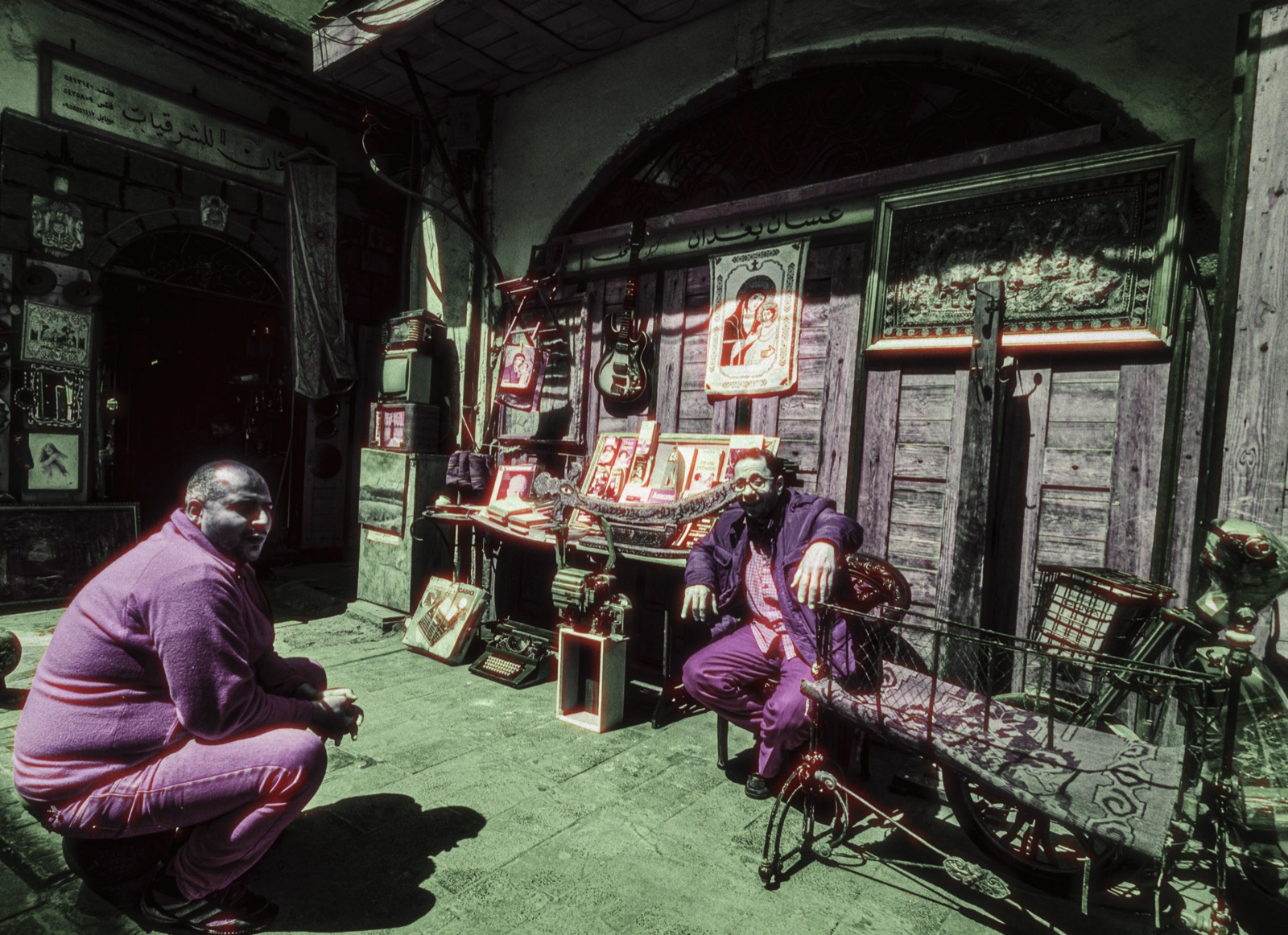
I photographed in extended spectrum, at 590nm and in IR-Chrome, some frames converted to black and white. Infrared lifts the street out of reportage into something older and stranger — but the faces stay exactly themselves. This is the city’s other archive: not its monuments, but its generations. What follows is arranged the way a life is — childhood, working age, old age — three passes through the same streets, the same light.
Overture
I. Childhood
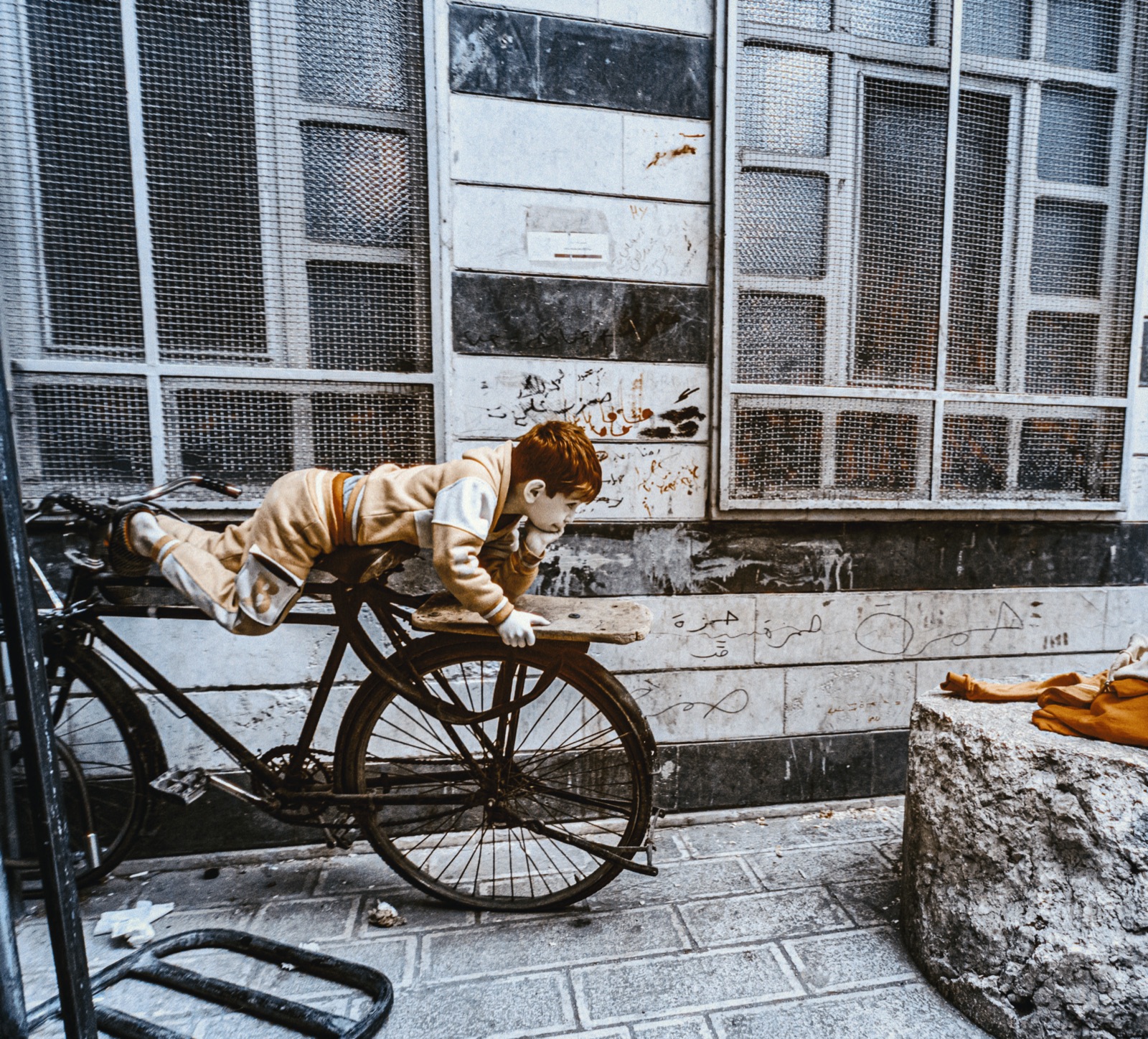
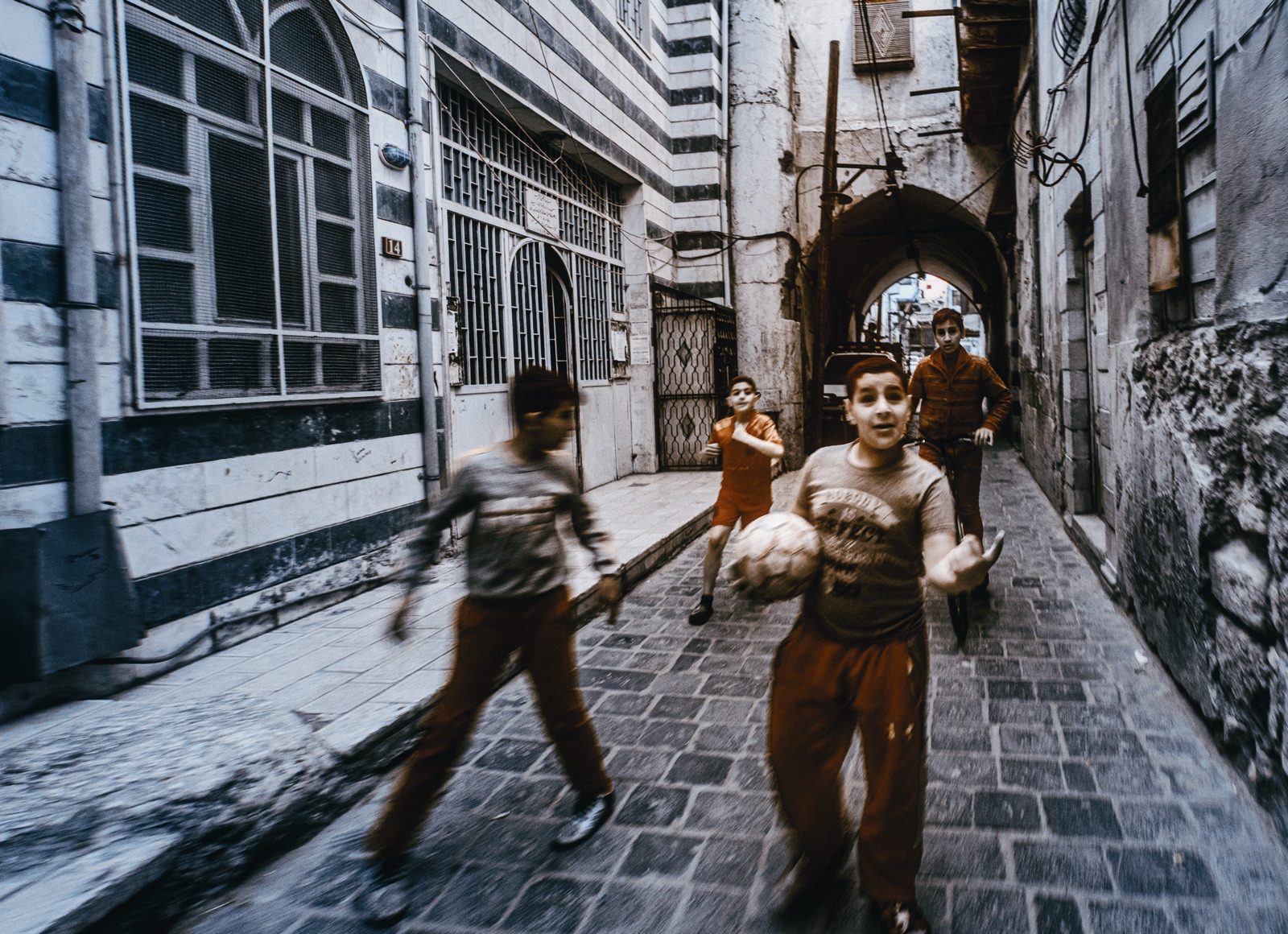
Children claimed the alleys before I did — crouching over something only they could see, riding a cargo bike like a raft, meeting my camera with a stare that needed no translation. Here the city is a playground first, a monument later.
Bridge
II. Adulthood
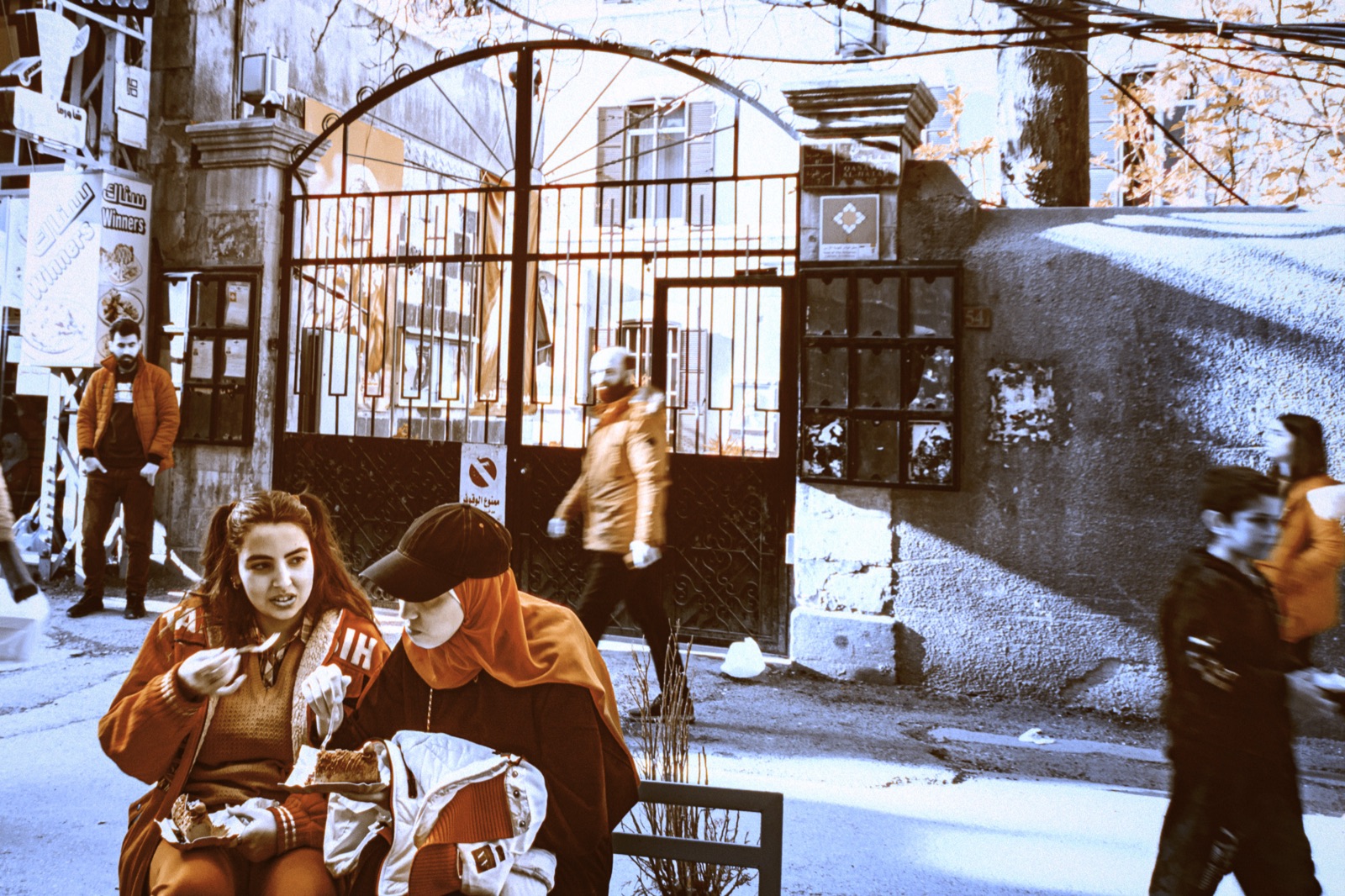
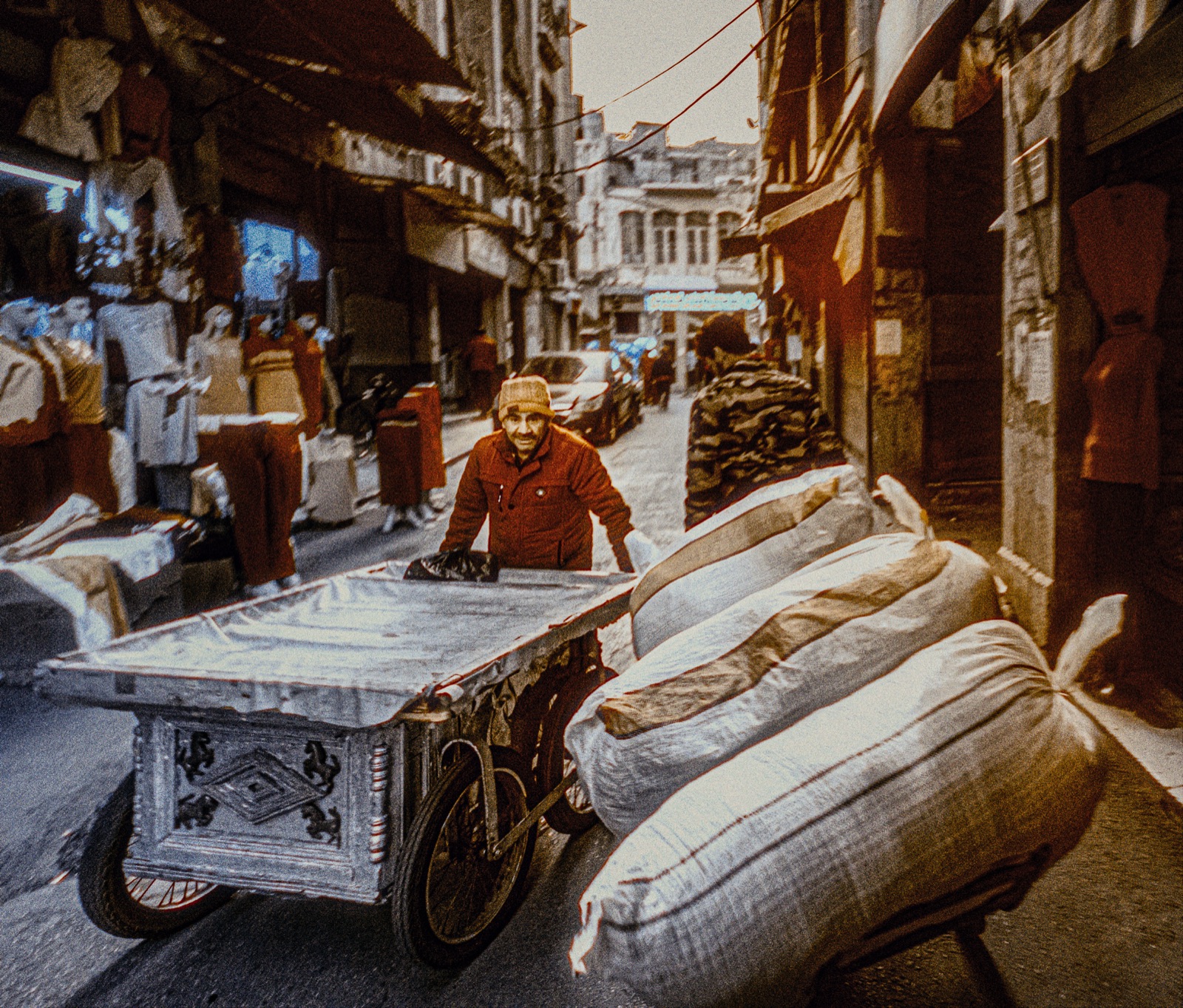
Between childhood and old age is the city earning its keep: hands assembling silver, pushing loaded carts, splitting a pastry on a bench between errands. Sociable, unhurried, and entirely unsentimental about the war going on beyond the frame.
III. Old age
The oldest Damascenes move slowest and notice the most — a jeweller still soldering by loupe-light, a courtyard kept for afternoon tea, a bicycle wheeled home at the end of a long day. Their city has grown smaller, and they know every stone that’s left of it.